
Living Lent
Embracing The Desert
The Journey Begins
Jesus is baptized, then heads into the wilderness for 40 days of fasting and Temptation

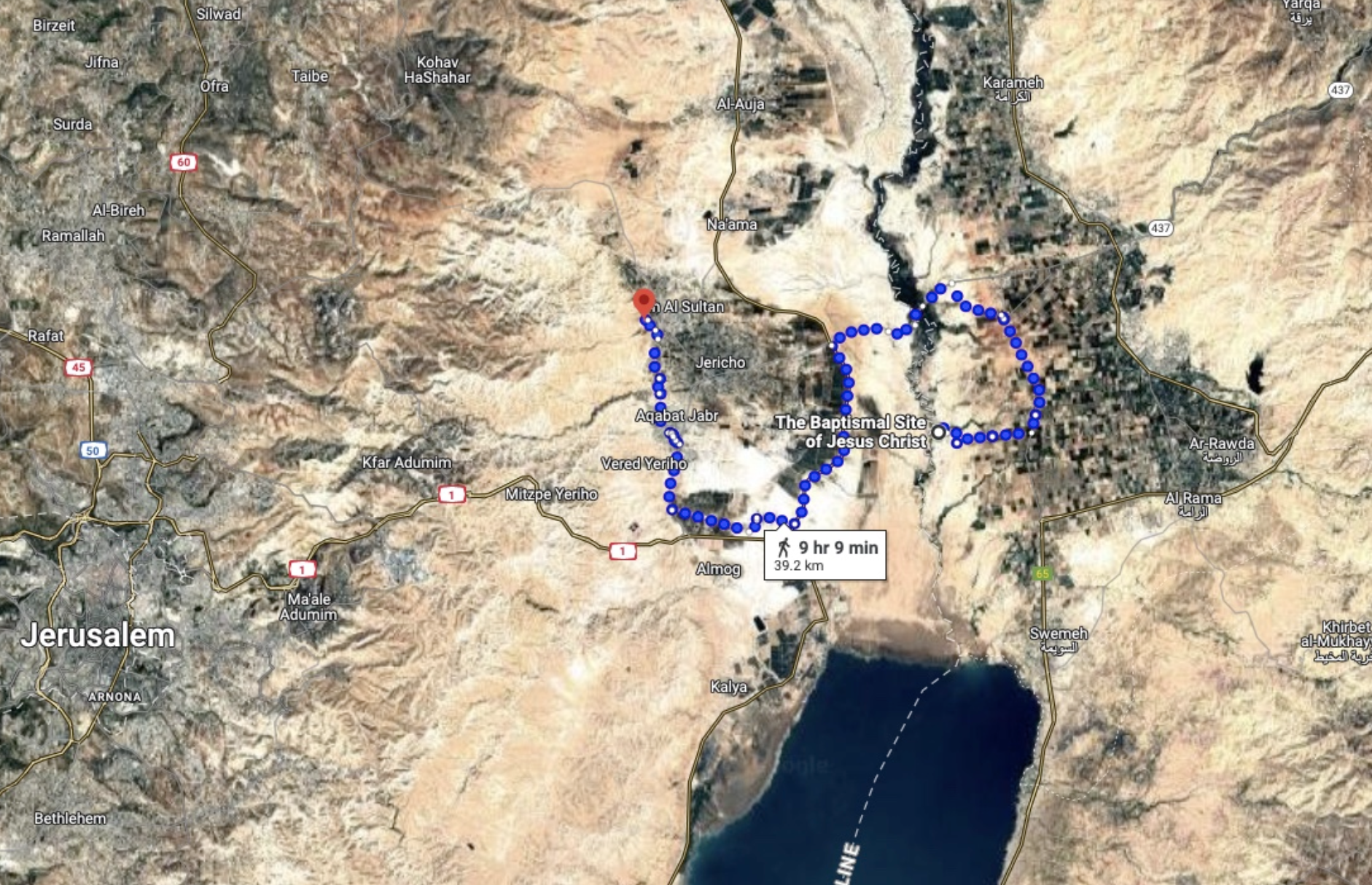
Location where Jesus was said to have encountered His first temptation
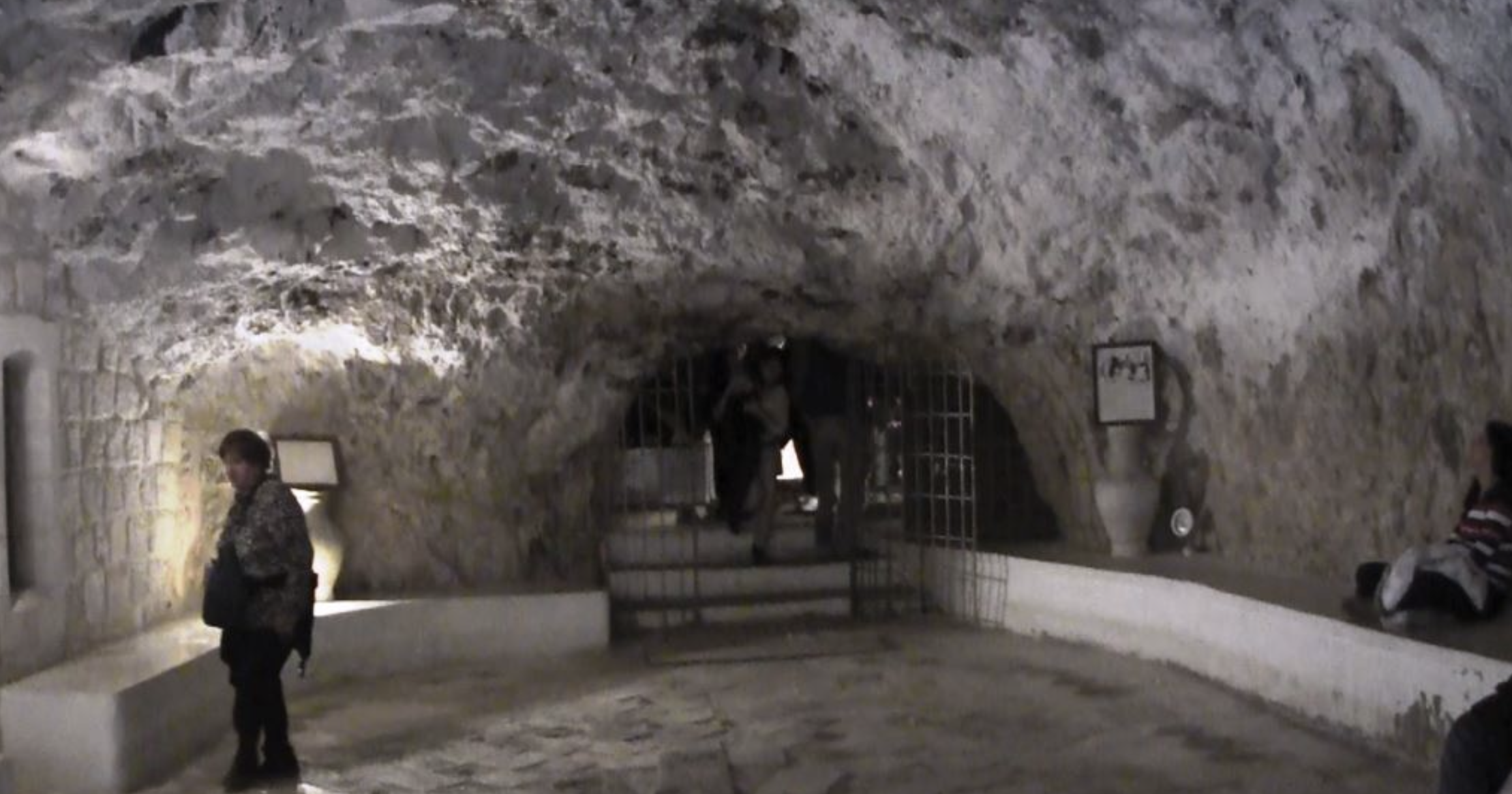
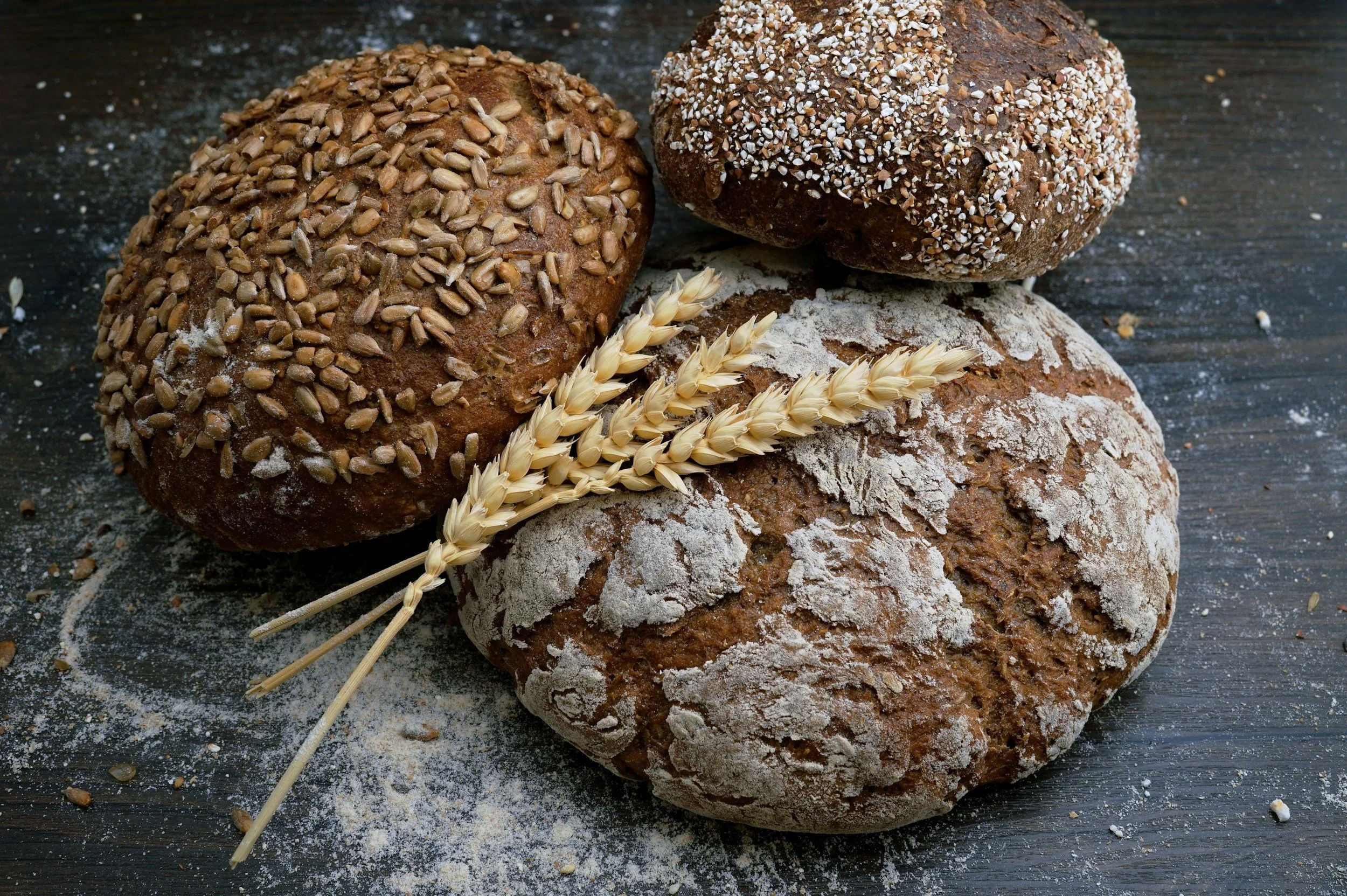
First Temptation: Turning Stones to Bread
"If you are the Son of God, command these stones to become loaves of bread"
Jesus responds: Dt 8:3 You cannot live on Bread alone
Context: In Deuteronomy 8:3, Moses reminds 2nd generation Israel that God allowed them to hunger in the desert, then fed them with manna to teach them this very lesson. They had to learn that survival and true life depend not on what they can produce or secure for themselves, but on God's provision and God's word.
Jesus' Point: Jesus refuses to use His divine power for self serving purposes or to solve problems in ways that bypass the Father's will. He won't turn stones to bread because:
Trust over self sufficiency - He trusts the Father to provide rather than taking matters into His own hands
Obedience over comfort - Following God's word matters more than satisfying legitimate hunger
Spiritual priority - What ultimately sustains human life is relationship with God and obedience to His word, not just physical sustenance
The Challenge for Us: We're tempted to believe that if we just had enough money, food, security, or comfort, we'd be satisfied. Jesus reveals that our deepest hunger is for God Himself. We can have full bellies and empty souls, or we can have material need yet be spiritually alive through dependence on God's word and presence.
Self Examination
Do I trust God to provide for my needs, or do I compromise my values when I'm uncomfortable or desperate?
Am I willing to use my gifts and talents in ways God didn't intend just to satisfy immediate desires or prove myself?
When facing physical or material need, do I turn first to God or to my own schemes and shortcuts?

Second Temptation: Throwing Himself from the Temple
"If you are the Son of God, throw yourself down, for it is written, 'He will command his angels concerning you'"
Jesus responds: Dt 6:16 Do not test the Lord
The Significance of Jesus' Response with Deuteronomy 6:16
By quoting "You shall not put the Lord, your God, to the test," Jesus rejects the temptation to manipulate God or force His hand through reckless spiritual theatrics.
Context: In Deuteronomy 6:16, Moses recalls the incident at Massah (Exodus 17:1-7) where the Israelites, despite witnessing God's miracles in Egypt and the Red Sea, demanded proof of God's presence and care when they faced thirst in the desert. They essentially said, "Prove you're with us, God, or we won't trust you." This was rebellion disguised as a test of faith.
Jesus' Point: The devil twists Scripture itself (Psalm 91:11-12) to suggest Jesus should throw Himself off the temple pinnacle to prove God's protection. Jesus refuses because:
Trust doesn't demand proof - Real faith doesn't manufacture crises to see if God will intervene
Scripture isn't a magic formula - God's promises aren't meant to be manipulated to justify presumption or foolishness
Humility over spectacle - He won't use God's power for self glorification or to coerce belief through sensational signs
The Challenge for Us: We're tempted toward spiritual presumption in two ways. First, we may live recklessly or sinfully while expecting God's grace to cover us without repentance. Second, we may demand that God prove Himself through signs, miracles, or by answering prayers on our terms before we'll fully trust Him.
True faith trusts God's goodness and presence even without constant validation. We don't create tests for God; we live wisely within His will and trust His faithfulness.
Self Examination:
Do I manipulate Scripture or twist God's promises to justify reckless decisions or to test whether God will bail me out?
Am I guilty of spiritual presumption, assuming God's grace while deliberately choosing sin or foolishness?
Do I create unnecessary crises or drama in my life, expecting God to rescue me rather than living wisely?
Third Temptation: All the Kingdoms
"All these I will give you, if you will fall down and worship me"
Jesus responds by quoting Deuteronomy 6:13:
"You shall worship the Lord, your God, and him alone shall you serve,"
Jesus declares the absolute, non-negotiable priority of allegiance to God above all earthly gain.

The Significance of Jesus' Response with Deuteronomy 6:13
By quoting "You shall worship the Lord, your God, and him alone shall you serve," Jesus declares the absolute, non-negotiable priority of allegiance to God above all earthly gain.
The Deuteronomy Context: In Deuteronomy 6:13, Moses warns Israel as they're about to enter the Promised Land. They would face the temptation to adopt the worship practices of surrounding nations, to compromise their faith for political alliances, prosperity, or cultural acceptance. Moses insists: worship of the one true God allows no competitors, no matter what benefits idolatry might promise.
Jesus' Point: Satan offers Jesus all the kingdoms of the world and their glory in exchange for a single act of worship. It's the ultimate shortcut: achieve His messianic mission without the cross, without suffering, without waiting for the Father's timing. Jesus refuses because:
No compromise with evil - There are no "small" acts of worship to false gods; any homage to evil corrupts entirely
God's way, not shortcuts - The kingdoms belong to God already; Jesus will receive them through obedience and the cross, not through devil's bargains
Worship defines everything - Whatever we bow to, whatever we serve, becomes our god and shapes our entire life
The Challenge for Us: We're tempted to believe we can achieve good ends through compromised means. We rationalize: "Just this one ethical shortcut to get the promotion... just a little dishonesty to close the deal... just blend in with the culture and keep faith private." Satan rarely asks for dramatic public apostasy; he offers success, security, and influence in exchange for small compromises in worship and service.
Jesus reveals that worship is totalizing. We will serve someone or something. The question is whether we'll worship God alone, even when it costs us worldly advantage, or whether we'll bow to power, wealth, comfort, or status.
Self Examination:
What worldly success, comfort, or achievement am I tempted to pursue through morally compromised means?
~
Am I willing to sacrifice my integrity, my faith practices, or my relationship with God to gain influence, wealth, or status?
~