
Anointing of the Sick

Anointing History
The Sacrament of Anointing of the Sick has its roots in the apostolic practice described in James 5:14-15, where the sick are instructed to call for the elders of the Church to pray over them and anoint them with oil in the name of the Lord. This practice was continued by the early Church, as evidenced by writings from the Church Fathers and various liturgical texts from the first centuries. Throughout the medieval period, the sacrament gradually became associated primarily with those near death, leading to its designation as "Extreme Unction" or "Last Rites," though this represented a narrowing of its original broader application to all serious illness. The Second Vatican Council in the 1960s restored the sacrament's wider scope, renaming it the Anointing of the Sick and emphasizing its role not just for the dying but for anyone suffering from serious illness, old age, or facing major surgery. The council's reforms recovered the ancient understanding that this sacrament is meant to bring spiritual and sometimes physical healing, comfort, and strength to the sick, uniting their sufferings with Christ's passion while also preparing them for eternal life if death is imminent.

Jesus’ Healing Ministry
The entire human being, body and soul, is anointed by God. The early Church saw a profound connection between the healing of the body and the healing of the soul. Throughout the Gospels, we read of Jesus' concern about people's physical as well as spiritual health.

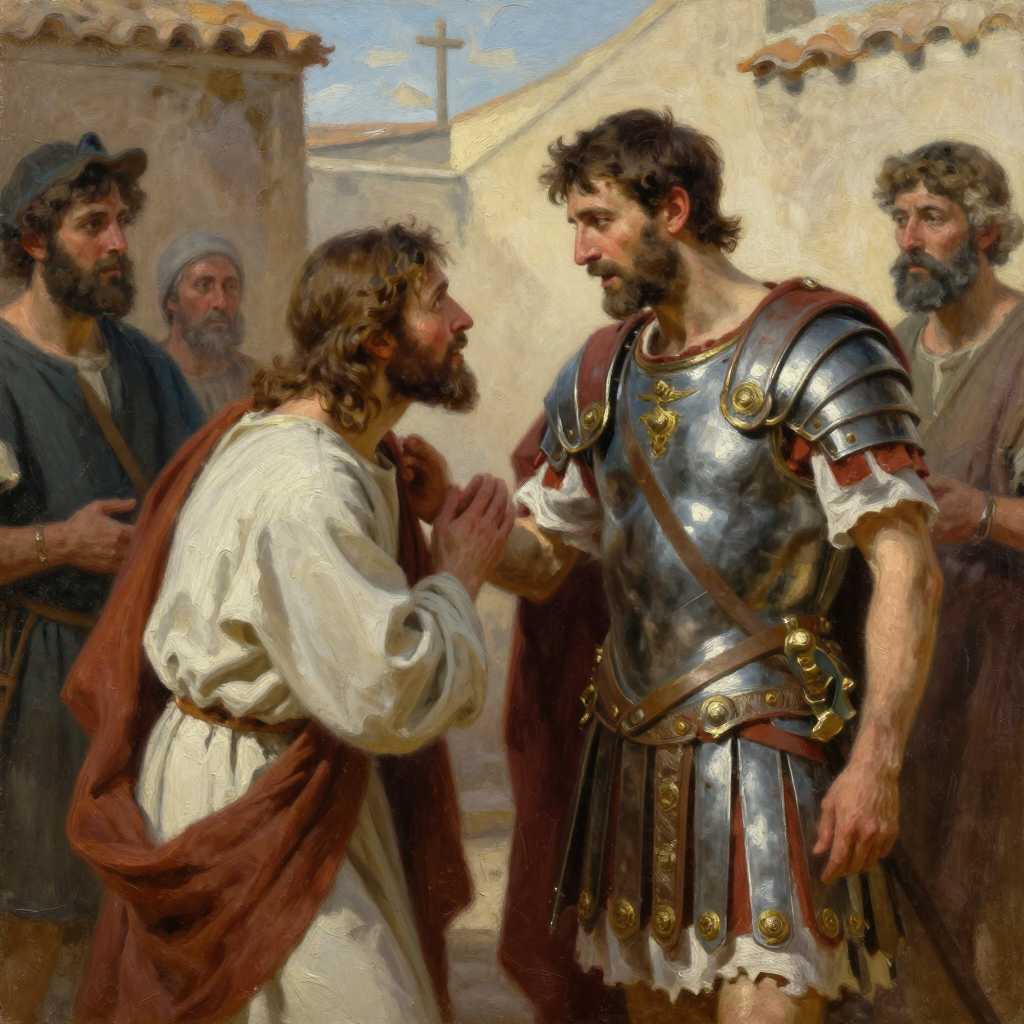
Matthew 8:5 through 13: The Centurion's Servant
A centurion approached Jesus and appealed to him, saying, "Lord, my servant is lying at home paralyzed, suffering dreadfully." Jesus said to him, "I will come and cure him."
The centurion showed remarkable faith, recognizing Jesus' authority even from a distance. Jesus praised this faith and healed the servant without even being physically present. This account demonstrates that healing comes through faith and sincere, humble request.

Matthew 15:21 through 28: The Canaanite Woman
A Canaanite woman came and called out, "Have pity on me, Lord, Son of David! My daughter is tormented by a demon." Though Jesus initially seemed to test her faith, she persisted: "Please, Lord, for even the dogs eat the scraps that fall from the table of their masters." Jesus replied, "woman, great is your faith!" He then exorcised the demons, and the mother's faith and persistence were needed.
Luke 5:12 through 16: The Cleansing of a Leper
Jesus stretched out his hand and touched a leper, saying, "I do will it. Be made clean." The leprosy left him immediately. Then Jesus ordered him not to tell anyone, but "Go, show yourself to the priest and offer for your cleansing what Moses prescribed."
This account reveals several important elements: Jesus cured leprosy through the laying on of hands, priest's review was required, and a religious offering was needed. The priest's role was prescribed, and the crowds reacted with amazement.

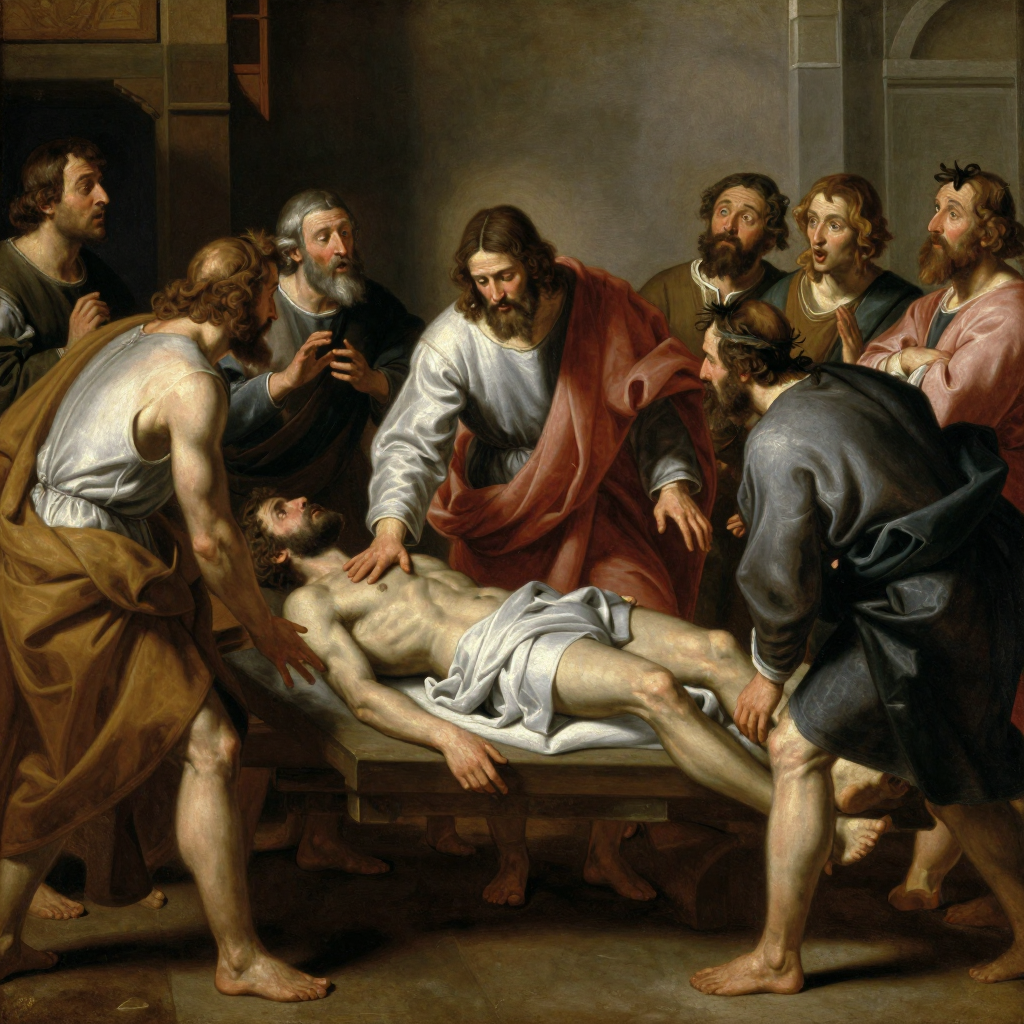
Luke 5:17 through 26: The Healing of a Paralytic
Jesus said to the paralyzed man, "Which is easier, to say, 'Your sins are forgiven,' or to say, 'Rise and walk'? But that you may know that the Son of Man has authority on earth to forgive sins," he said to the paralyzed man, "I say to you, rise, pick up your stretcher, and go home."
Jesus cured paralysis, demonstrating that an act of faith was needed. The men who carried and lowered him in played an essential role, and the scribes and Pharisees prompted Jesus' revelation of his authority to forgive sins, which is divine power.
What these healings teach us
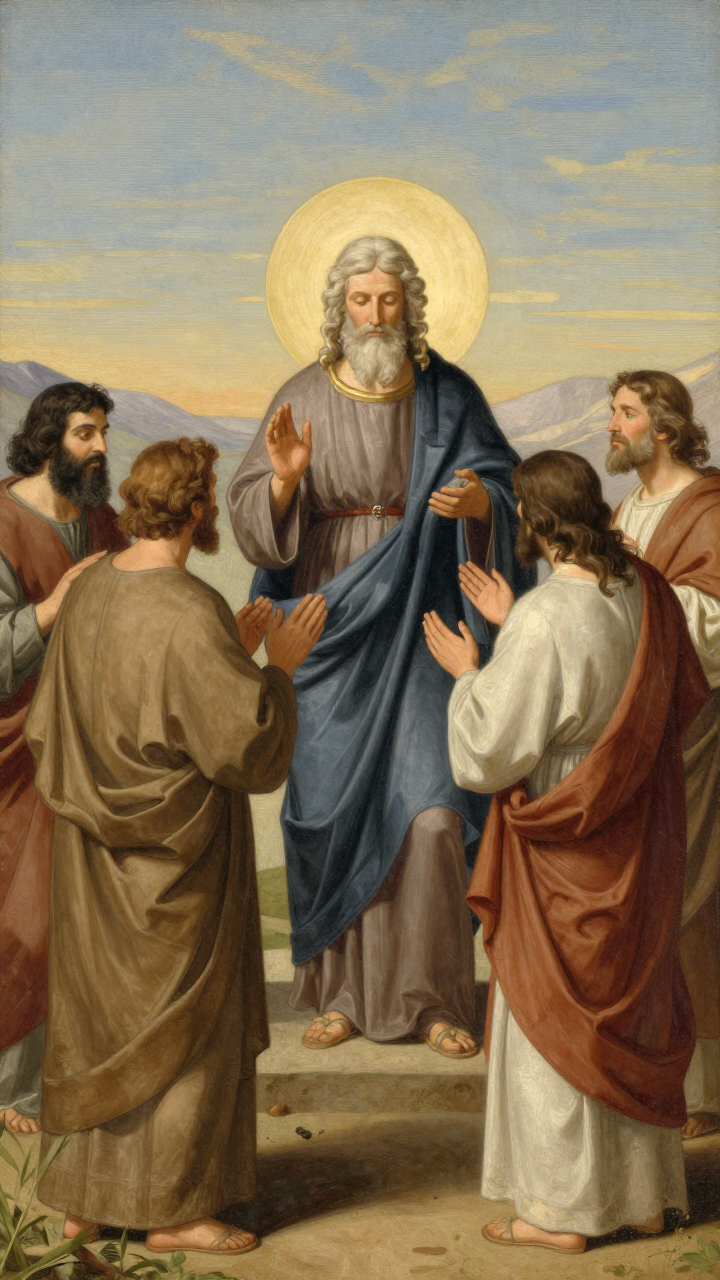
Jesus was concerned about people's spiritual as well as physical health. The Latin word for "health" is "salus," which means "health." In ancient times, the words for health and salvation were the same. Jesus was declaring that God cares for us completely: body, soul, and spirit.
Jesus healed people's spiritual lives by assuring them that God forgives them. He healed people's ailments as a sign of God's power and also as examples of Jesus' own divine authority.
By healing people's bodies as well as their souls, Jesus showed that the entire human being is touched by God's salvation.
What Healing Ministry Did Jesus Leave the Church?
After Jesus ascended into heaven, the Church continued this mission of healing. In the earliest days, the apostles summoned the Twelve and began to send them out two by two. They anointed with oil many who were sick and cured them (Mark 6:7, 13).
After Jesus ascended, the Church continued to fulfill the mission of the apostles. The letter of James instructs believers: "Is anyone among you sick? He should summon the presbyters of the church, and they should pray over him and anoint him with oil in the name of the Lord, and the prayer of faith will save the sick person, and the Lord will raise him up. If he has committed any sins, he will be forgiven" (James 5:14 through 15).
This passage shows that:
The anointing was to be done by church leaders (presbyters/priests)
Oil was used as the sacred sign
Prayer accompanied the anointing
Both physical healing and spiritual healing (forgiveness) were sought
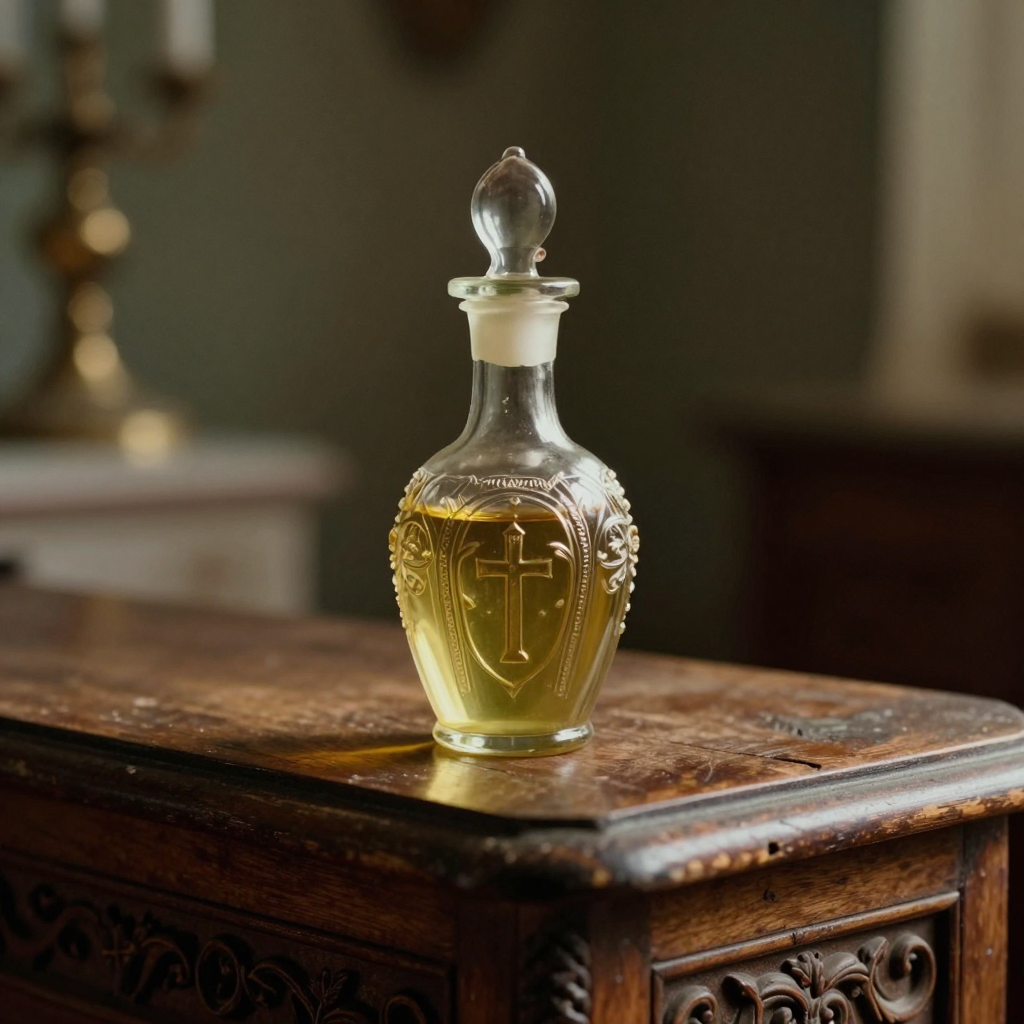
Major Themes, Steps and Effects
Unites our suffering with Christ’s passion
Brings spiritual healing
Strengthens the entire community
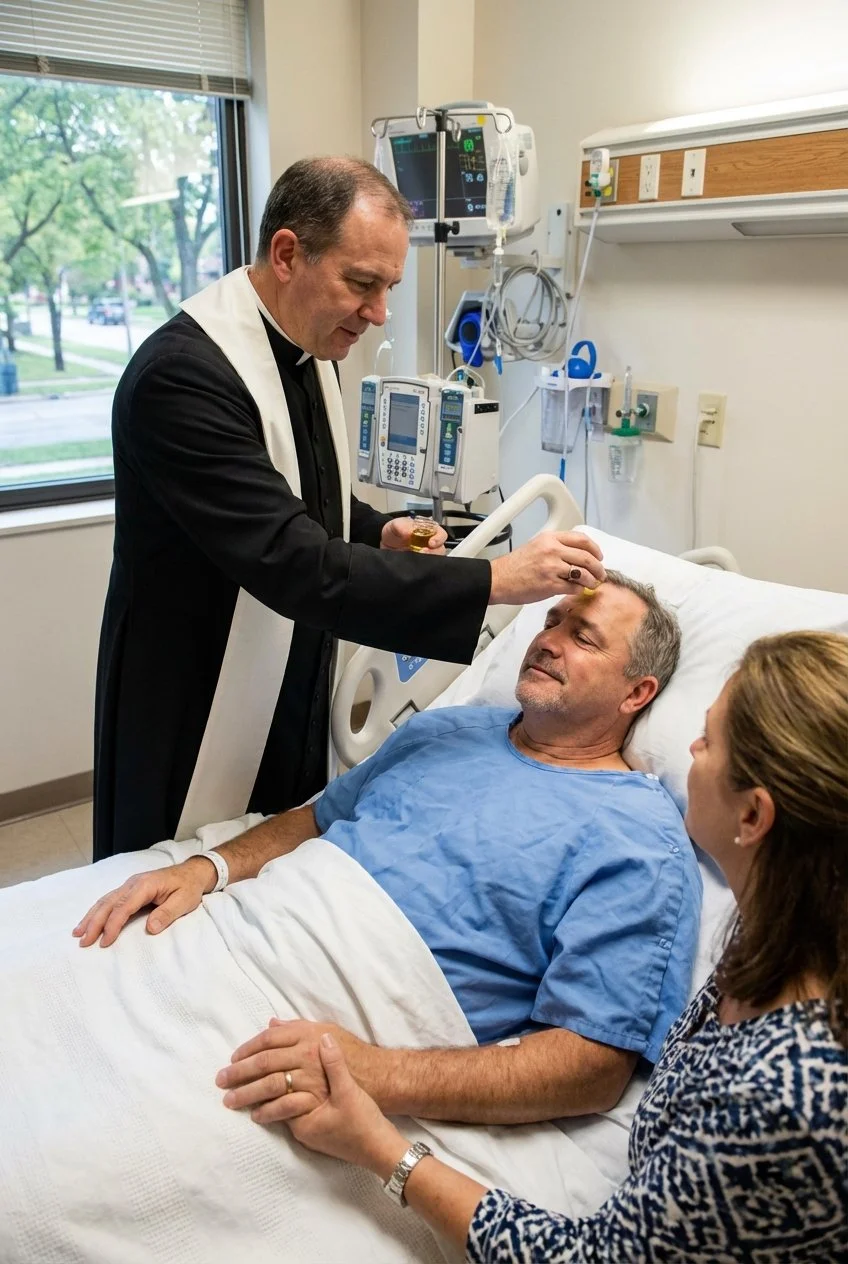
Begins with Penitential rite the laying on of hands
Priest anoints persons forehead and hands
Often includes Holy Communion (Viaticum)
Offers profound spiritual healing, forgiving venial sins
Gives redemptive meaning to our pain
Not Just Physical Healing or End of Life
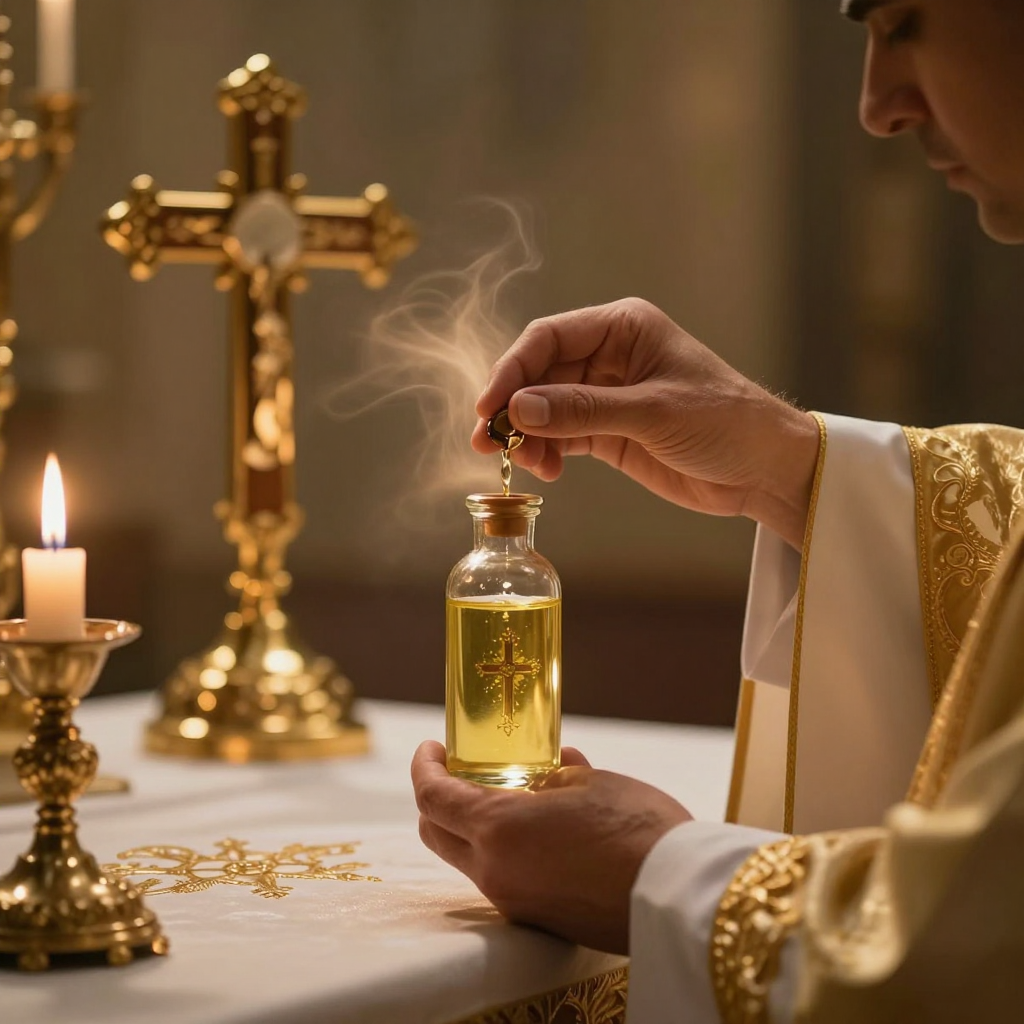
Not exclusively for end of life, but has broader purpose
Provides courage and peace, and helps the person unite their suffering with Christ
For anyone facing serious illness, undergoing major surgery, weakened by advanced age, or struggling with chronic conditions that significantly affect their life
Also for depression, addiction, mental suffering
Physical Curing and Spiritual Healing
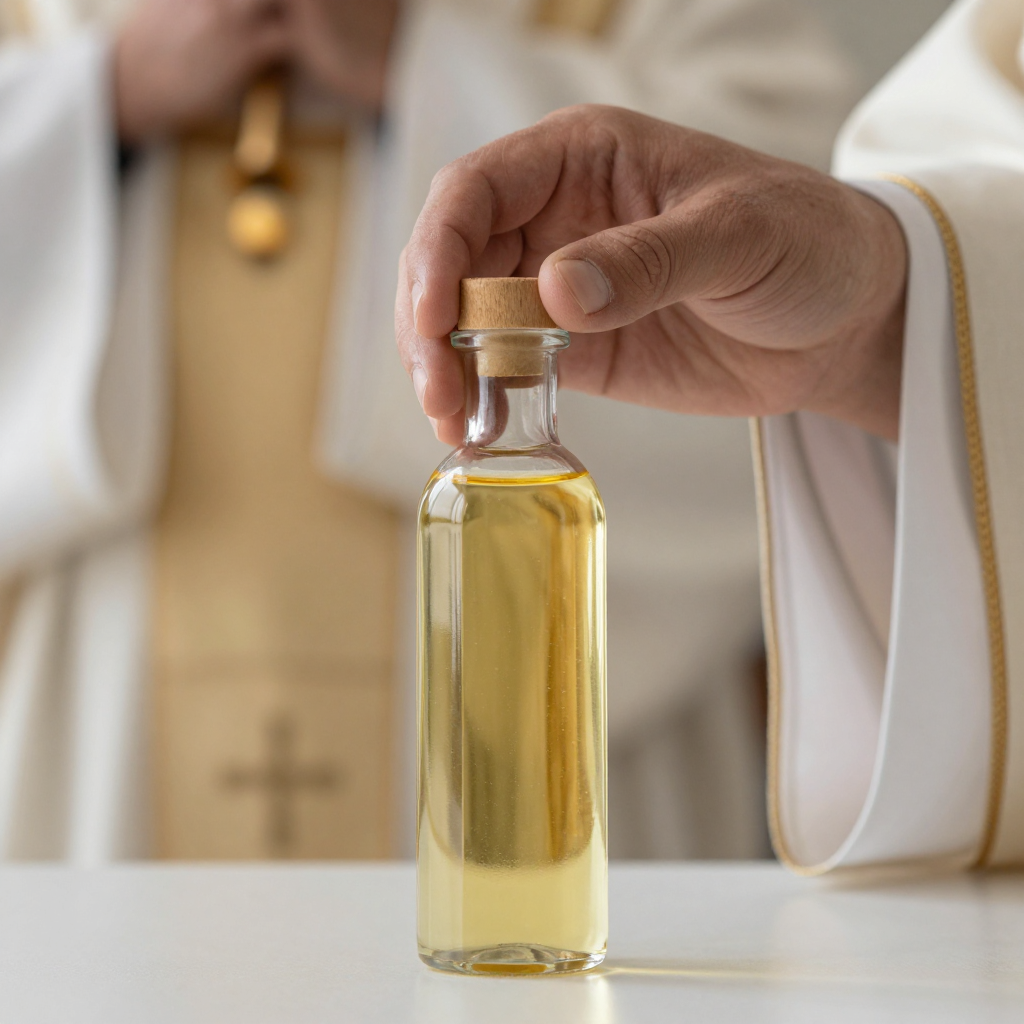
Physical healing may recover a physical condition however it is temporary
Spiritual healing is for eternity, removing spiritual obstacles that separate us from divine life
Conclusion
The Anointing of the Sick reveals God's tender love for us in our most vulnerable moments. When illness, suffering, or the approach of death threatens to overwhelm us, Christ meets us in this sacrament with His healing presence. He doesn't promise to take away all our pain or cure every disease, but He promises something far greater: He walks with us through our suffering and transforms it into something redemptive. This sacrament reminds us that we are never alone in our trials. The oil blessed by the bishop, the prayers of the priest, the laying on of hands, all these visible signs make real Christ's invisible grace strengthening our souls.
Don't wait until the last possible moment to request this sacrament for yourself or your loved ones. It's not a sacrament of death but a sacrament of healing and hope for anyone facing serious illness. Whether God grants physical recovery or calls someone home to eternal life, the Anointing of the Sick prepares the soul for whatever lies ahead. It unites our sufferings with Christ's passion, making our pain meaningful and redemptive. In this sacrament, we experience the truth that nothing, not even sickness and death, can separate us from the love of God in Christ Jesus our Lord.