

The Agape Feast
An Ancient Pot-Luck?
The Agape Meal, drawn from the Greek word for selfless, sacrificial love, has its roots in the earliest Christian communities, where believers would gather for a shared fellowship meal often connected to the celebration of the Eucharist. These meals were expressions of unity, charity, and mutual care among the faithful, reflecting the love that Christ commanded his disciples to have for one another. While distinct from the Mass itself, the Agape Meal carried deep communal and spiritual significance, echoing the atmosphere of the Last Supper where Jesus broke bread with his apostles on the eve of his Passion. Over time the formal practice evolved, but the spirit of shared table fellowship remains a powerful symbol of what it means to be the Body of Christ.
During Catholic Holy Week, an Agape Meal takes on a particularly rich symbolic weight. Celebrated in proximity to Holy Thursday and the commemoration of the Last Supper, it invites participants to enter more deeply into the mystery of what Jesus did the night before he died: he gathered his friends, served them, fed them, and gave himself entirely out of love. Sharing a simple meal together as a parish or OCIA community during this sacred time is a way of living out the very love Christ demonstrated, a love that would be consummated on the cross just hours later. It also connects the faithful to their ancient roots, reminding them that the Church has always been, at her heart, a community gathered around a table, nourished by one another and ultimately by Christ himself.

Picture by” The Recipe Rebel
Apryl’s Taco Soup
A hearty, slow cooker soup with bold taco flavor — easy to prep and perfect for a crowd.
Servings: 6
Ingredients
1 pounds ground beef or turkey
1 can black beans, drained and rinsed
1 can corn, drained
1 can Rotel (diced tomatoes and green chiles)
1 onion, diced
1 packet taco seasoning
2 cups beef broth
Steps
1: Brown the meat: In a skillet over medium heat, brown 1 pounds ground beef or turkey with 1 onion, diced. Drain the grease.
2: Combine in slow cooker: Add the browned meat and onion to the slow cooker along with 1 can black beans, drained and rinsed, 1 can corn, drained, 1 can Rotel (diced tomatoes and green chiles), 1 packet taco seasoning, and 2 cups beef broth. Stir to combine.
3: Cook low and slow: Cover and cook on low for 6 to 360 minutes 360:00, or on high for 3 to 4 hours.
4: Serve: Ladle into bowls and serve hot. Top with tortilla chips, shredded cheddar, sour cream, or fresh cilantro.
Notes
This soup freezes beautifully — make a double batch and freeze half in portions for an easy weeknight meal later.
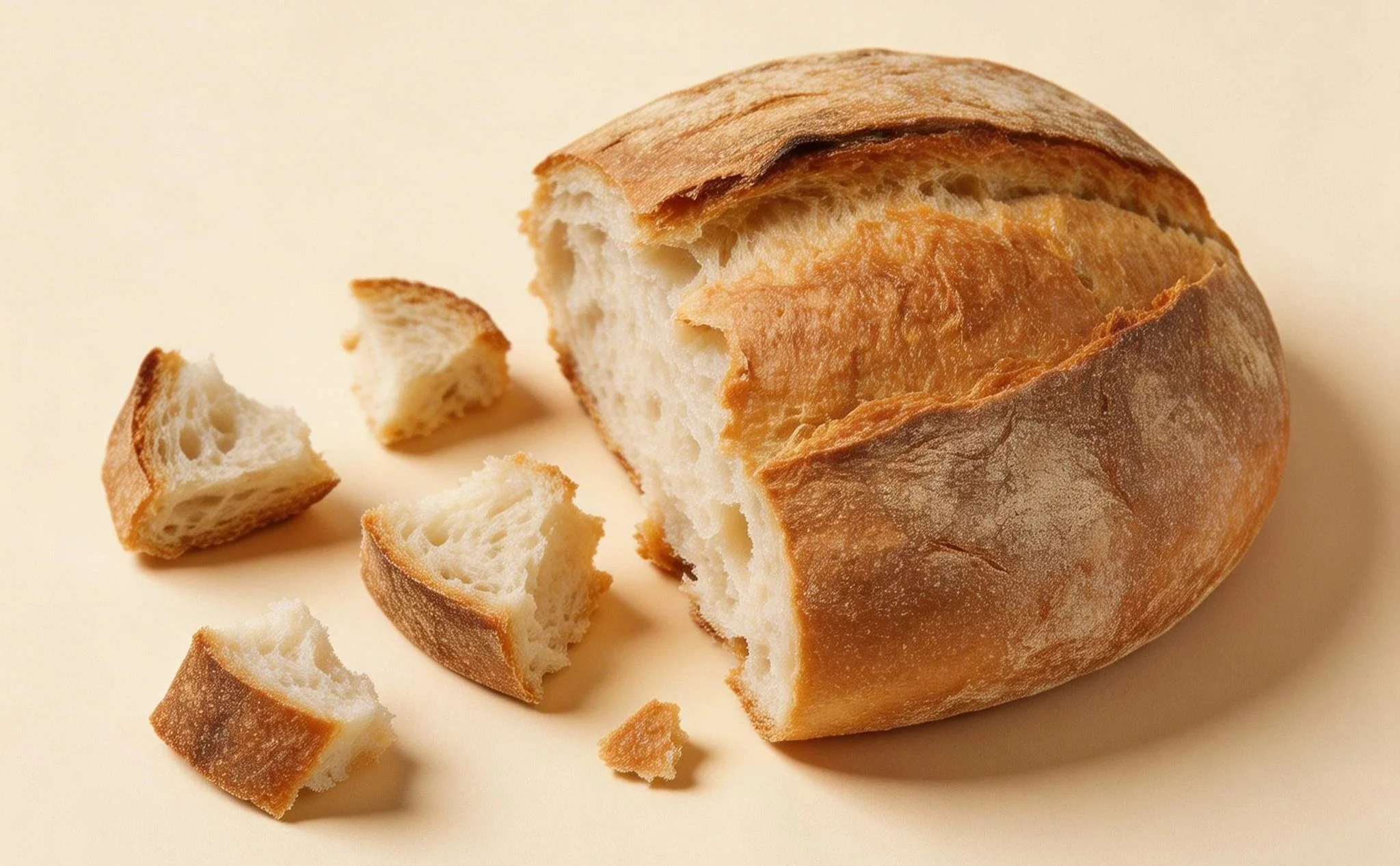
Sharon’s Tear ‘n Share Bread
Ingredients
1 ½ tablespoons active dry yeast 2 packets
½ cup warm water 110F
½ teaspoon granulated sugar
2 cups hot water hot to the touch, not boiling (115-120F)
3 tablespoons granulated sugar
1 tablespoon salt
½ cup vegetable oil
5-6 cups all-purpose flour add more if needed to get to a pliable dough
1 large egg white for brushing on loaves
Before You Begin
If your dough is still super sticky, you can add small amounts of flour until the dough just comes together.You can use the packets of active dry yeast available at any grocery store. I bake a lot of bread, so I prefer to by SAF instant yeast in larger packages. If you use active dry, just follow the instructions in the recipe and let it sit for a few minutes to proof (it will get a little foamy).When a bread recipe calls for warm water, the temperature should be around 110 degrees F. If the water is too hot it will kill the yeast, and too cold will delay the rise process.Use regular white granulated sugar for this recipe.In a separate step, you’ll also use hot water in this recipe. Since you are mixing it with other ingredients before adding the yeast mixture it will be fine. You want hot tap water, not boiling water.Regular everyday table salt is used, not Kosher or sea salt.
A note about yeast:
You can use active dry yeast or instant yeast. If you use active dry yeast it needs to be proofed in order for it to be reactivated. Instant dry yeast doesn’t need proofing. Active dry yeast must be reactivated by proofing in warm water, or the bread won’t rise properly. This process is to “prove” that the yeast is still alive.
This recipe calls for vegetable oil, but olive oil can also be used.
We are using all-purpose flour, white not wheat, to make this bread.
Instructions
Dissolve yeast, 1/2 cup warm water (110F), and 1/2 teaspoon granulated sugar in a small bowl.
In a large bowl or stand mixer, combine 2 cups hot water (115-120F), 3 tablespoons granulated sugar, the salt, and the oil. Add 3 cups of flour to the mixture in this large bowl/mixer and mix well. Stir in yeast mixture.
Add 2 – 3 cups more flour and mix until well blended. (At this point your dough will still be quite sticky). Leave in bowl, cover with a towel and let rise for 1 hour. (If using a mixer, remove the bowl from the mixer and cover. Otherwise your paddle attachment or dough hook will get covered in dough when it rises). NO KNEADING IS REQUIRED.
After the rise, if the dough is too sticky to handle, add more flour until its workable. For some people this can be up to a cup or more! Just don't dry out the dough. Add by quarter cupfuls until its workable.
Divide dough into 2 (or 3 if you want smaller loaves) pieces. Roll out each piece on a floured surface into the length desired then roll up lengthwise like a jelly roll. If it's still too sticky, add more flour until it's workable but not dry.
Put on a greased cookie sheet, sealed side down, and tuck the ends under. Slash the top diagonally across the top every couple of inches with a sharp knife.
Cover and let loaves rise 30 more minutes.
While loaves are rising, preheat oven to 400 degrees Fahrenheit.
Whisk the egg white and brush over the top of loaves.
Bake for 25 – 30 minutes.